Have you ever woken up with a sore jaw or dull headache and wondered what happened overnight while you slept peacefully? Many people experience these signs without realizing teeth grinding occurred. Teeth grinding, also called bruxism, often happens unconsciously and quietly. Over time, it can strain muscles, damage teeth, and affect daily comfort. Understanding emerging treatment options helps people feel more in control of this hidden issue.
Why teeth grinding often goes unnoticed
Teeth grinding frequently occurs during sleep, making it difficult to detect early. Many people discover it only after symptoms appear. Jaw pain, tooth sensitivity, or morning headaches may be the first clues. According to our editor’s research, partners often notice grinding sounds before patients do. Because symptoms develop gradually, the condition can persist untreated. Awareness is often delayed by its silent nature.
What causes teeth grinding
Bruxism has multiple contributing factors rather than a single cause. Stress and anxiety play a major role. Sleep disorders may also increase risk. Bite alignment and muscle tension contribute as well. As a result of our editor’s reviews, emotional and physical triggers often overlap. Identifying contributing factors supports better management.
How teeth grinding affects oral health
Repeated grinding wears down tooth enamel over time. Teeth may become flat or chipped. Sensitivity increases as protective layers thin. According to our editor’s observations, dental damage often progresses quietly. Gum irritation may also develop. Oral health impact extends beyond appearance and comfort.
Why jaw muscles become overworked
Jaw muscles generate strong force during grinding episodes. Repeated contraction causes fatigue and soreness. Muscles may enlarge with chronic overuse. As a result of our editor’s research, this muscle hypertrophy contributes to facial tension. Overworked muscles struggle to relax naturally. Pain becomes persistent without intervention.
What traditional treatments aim to do
Conventional treatments focus on protecting teeth and reducing strain. Night guards cushion the bite during sleep. Stress management addresses emotional triggers. Physical therapy supports muscle relaxation. According to our editor’s reviews, these methods reduce damage but may not stop grinding. Symptom management often remains partial.
Why interest in Botox has increased
Botox has gained attention as an option for managing muscle overactivity. It is widely known for cosmetic use but also treats medical conditions. Its muscle relaxing properties make it relevant to bruxism. According to our editor’s observations, patients seek alternatives when guards feel insufficient. Interest reflects desire for symptom relief.
How Botox works in jaw muscles
Botox temporarily reduces muscle activity by blocking nerve signals. When injected into jaw muscles, it weakens excessive contractions. The goal is relaxation, not paralysis. As a result of our editor’s research, muscle force decreases while basic function remains. Grinding intensity often reduces significantly.
Which muscles are typically treated
The masseter muscles are most commonly targeted. These muscles control jaw closing strength. Sometimes the temporalis muscles are also treated. According to our editor’s reviews, precise placement is essential. Treatment plans vary by anatomy and severity. Customization improves outcomes.
What Botox treatment feels like
The procedure involves small injections into targeted muscles. Discomfort is usually mild and brief. Sessions are often completed quickly. As a result of our editor’s observations, patients return to normal activity shortly after. Anxiety tends to be lower than expected. The experience feels manageable for most.
When results typically appear
Botox effects are not immediate. Muscle relaxation develops gradually over days. Peak benefit often appears within two weeks. According to our editor’s research, symptom relief builds progressively. Patience improves satisfaction. Results feel subtle rather than dramatic.
How long effects usually last
Botox effects are temporary and wear off gradually. Relief typically lasts several months. Muscle activity slowly returns afterward. As a result of our editor’s reviews, repeat treatments may be considered. Duration varies between individuals. Maintenance planning becomes part of care.
Why Botox does not cure bruxism
Botox addresses muscle activity rather than root causes. Stress and sleep factors may still exist. Grinding triggers can remain active. According to our editor’s observations, Botox manages symptoms rather than eliminating the condition. Comprehensive care remains important. Expectation management supports satisfaction.
How Botox compares to night guards
Night guards protect teeth physically. Botox reduces muscle force directly. Each approach targets different aspects. As a result of our editor’s research, some patients benefit from combining methods. Choice depends on symptoms and tolerance. Personal preference influences decisions.
What benefits patients often report
Many report reduced jaw pain and tension. Headaches may decrease over time. Morning stiffness often improves. According to our editor’s reviews, chewing comfort increases. Facial discomfort becomes less noticeable. Quality of life changes gradually.
What limitations should be considered
Botox does not address tooth damage already present. It may not eliminate grinding completely. Cost and repeat sessions matter. As a result of our editor’s observations, not all patients respond equally. Discussion clarifies suitability. Realistic expectations prevent disappointment.
Why professional assessment matters
Accurate diagnosis guides appropriate treatment. Not all jaw pain indicates bruxism. Other conditions may mimic symptoms. According to our editor’s research, professional evaluation prevents misdirected treatment. Personalized plans improve safety. Expertise ensures correct dosing.
How safety is generally viewed
Botox has a long history of medical use. When administered correctly, risks remain low. Temporary weakness may occur. As a result of our editor’s reviews, complications are uncommon. Qualified providers reduce risk further. Safety relies on technique and experience.
What side effects may occur
Some experience mild swelling or tenderness. Temporary chewing fatigue may appear. Rarely, smile asymmetry occurs briefly. According to our editor’s observations, side effects resolve naturally. Monitoring supports reassurance. Communication remains important.
How facial appearance may change
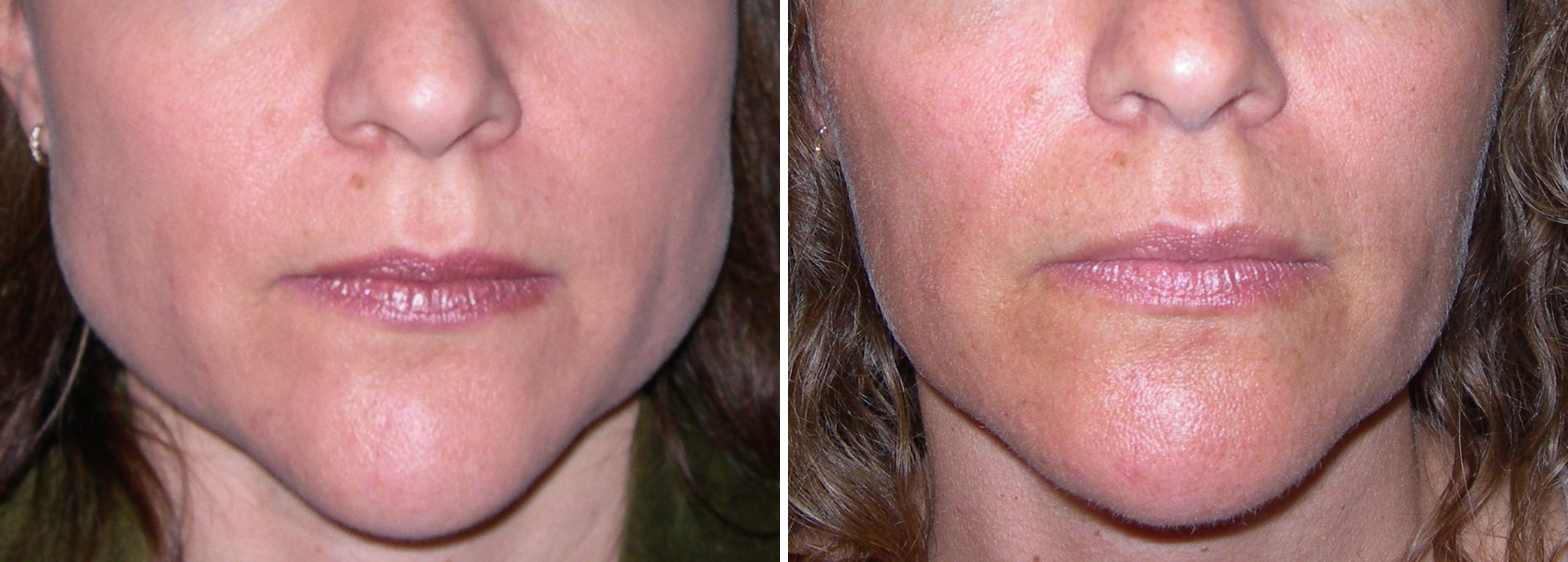
Reduced muscle bulk can soften jaw contours. Some welcome this aesthetic change. Others may notice subtle differences. As a result of our editor’s research, appearance changes are secondary effects. Function remains primary focus. Discussion prepares expectations.
Why dosage precision matters
Excessive dosing may weaken chewing unnecessarily. Insufficient dosing limits benefit. Balance requires skill. According to our editor’s reviews, individualized dosing improves comfort. Experience influences outcomes. Precision protects function.
How lifestyle factors still play a role
Stress reduction supports long term relief. Sleep hygiene improves outcomes. Awareness of clenching during waking hours helps. As a result of our editor’s observations, lifestyle habits complement treatment. Botox works best within a broader plan.
When Botox may not be suitable
Certain neuromuscular conditions limit use. Pregnancy requires caution. Mild cases may not justify intervention. According to our editor’s research, suitability depends on context. Alternative options remain available. Evaluation guides choice.
Why patient goals should guide decisions
Some seek pain relief primarily. Others want dental protection. Goals shape treatment plans. As a result of our editor’s reviews, alignment improves satisfaction. Clear priorities prevent mismatch. Collaboration supports success.
How follow up supports outcomes
Follow up visits assess response and adjust plans. Timing influences repeat treatment decisions. Feedback guides refinement. According to our editor’s observations, monitoring improves safety. Ongoing communication supports comfort. Care evolves with experience.
What Botox adds to treatment options
Botox expands available strategies for managing bruxism. It offers muscle focused relief. It does not replace foundational care. As a result of our editor’s research, it fills a specific niche. Choice empowers patients. Options reduce frustration.
Why awareness of bruxism matters
Early recognition prevents damage progression. Addressing symptoms sooner improves comfort. Knowledge reduces uncertainty. According to our editor’s reviews, informed patients engage proactively. Awareness supports prevention. Silence no longer delays care.
How expectations shape satisfaction
Understanding limitations prevents unrealistic hope. Gradual improvement feels more acceptable. Patience supports outcome appreciation. As a result of our editor’s observations, satisfaction aligns with education. Clarity improves experience. Trust builds confidence.
What long term management looks like
Bruxism management often combines approaches. Adjustment occurs over time. Needs may change. According to our editor’s research, flexibility supports longevity. Monitoring adapts care. Long term comfort remains the goal.