
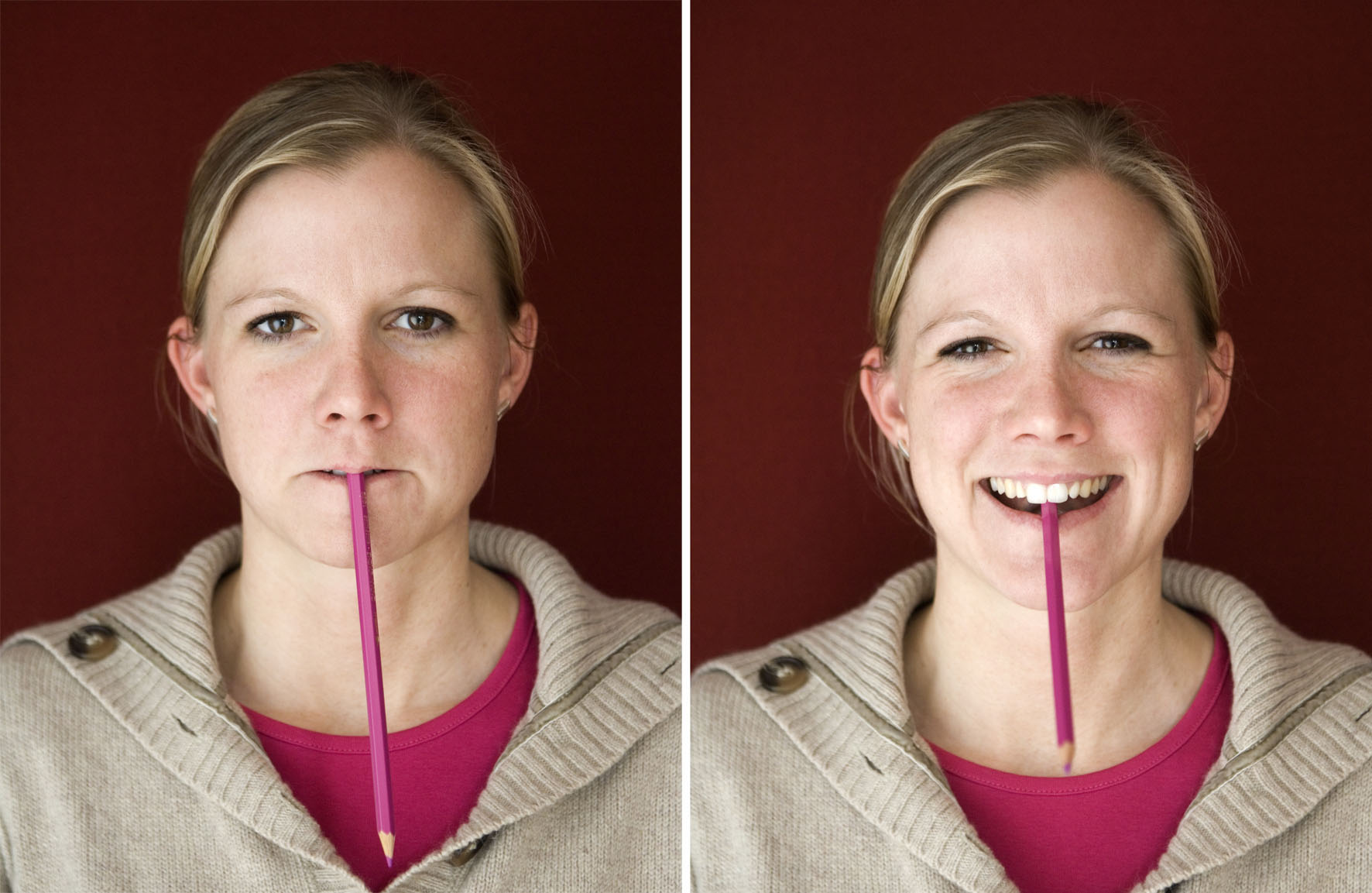
Have you ever looked in the mirror after a long day and noticed how every emotion seems written across your face? Many people feel this way because facial expressions form a major part of daily communication. According to our editor’s research, interest in Botox often begins with simple curiosity about softening visible lines without losing expressiveness. People want smoother skin but still hope to keep their natural warmth when they smile or speak. Understanding how Botox influences expressions helps remove confusion and provides a clearer sense of what may actually change. Let’s explore this delicate balance through simple and friendly explanations.
Why do facial expressions matter so much?
Facial expressions matter because they guide communication without a single spoken word. Humans rely on subtle movements around the eyes and mouth to interpret emotions quickly. As a result of our editor’s reviews, psychologists often describe expressions as social cues that help us understand others. When expressions soften or change, communication shifts in small but noticeable ways. People may interpret smoother features as calmness or neutrality depending on the situation. This is why many people approach Botox carefully, hoping to maintain emotional clarity. Understanding these dynamics makes the process feel less intimidating.
How does Botox actually work on muscles?
Botox works by gently relaxing targeted muscles that repeatedly contract during expressions. These contractions create lines over time, especially in active areas like the forehead and eyes. According to our editor’s research, Botox reduces this activity without affecting nearby muscles that support natural movement. The substance blocks specific signals that instruct the muscle to contract. This controlled relaxation softens visible lines and prevents deep creases. When done carefully, overall expression remains intact because other muscles continue working normally. This balance helps maintain a natural appearance rather than a frozen one.
Why do some expressions appear softer after Botox?
Some expressions look softer because the muscles responsible for strong contractions can no longer move with the same intensity. The forehead may wrinkle less, and the eyebrows may lift more gently. As a result of our editor’s reviews, dermatologists note that this softening effect often makes the face look calmer. The reduced movement decreases harsh lines that normally appear during stress or concentration. People sometimes feel their expressions look more composed even without trying. This shift can feel refreshing when the goal is a smoother and more relaxed appearance. Softer expressions often reflect a more youthful facial tone.
Which expressions remain unchanged after treatment?
Most daily expressions remain unchanged because Botox affects only selected muscles. Smiling, speaking, laughing, and blinking continue normally when treatment is applied with precision. According to our editor’s research, experts emphasize that Botox reshapes intensity rather than removing expression. Muscles around the mouth, for example, usually maintain their full movement unless specifically treated. Eyelid movement also stays natural because Botox does not target those essential muscles. This selective approach preserves emotional clarity during conversations. People often report that friends notice a fresher look rather than any loss of expressiveness.
How does Botox influence emotional signaling?
Emotional signaling may shift slightly because micro-expressions become less intense in certain areas. These tiny movements often occur around the eyes and forehead during surprise or concern. As a result of our editor’s reviews, some people feel they appear less tense because strong furrows no longer appear. This effect can make reactions seem calmer even during moments of stress. Other emotions, such as joy or amusement, stay fully visible because they involve separate muscle groups. The subtle reduction in tension often feels refreshing rather than restrictive. This gentle shift creates a smoother emotional presentation.
Why do some people fear a “frozen” look?
People fear a frozen look because of exaggerated examples seen in media or entertainment. Overuse or poorly applied injections can limit movement more than necessary. According to our editor’s research, trained professionals emphasize balanced dosing to avoid this unwanted effect. The goal of modern Botox practice is gentle refinement rather than dramatic alteration. When treatment is handled responsibly, the face moves naturally during conversations. People who choose moderate amounts maintain expressiveness while reducing unwanted lines. Understanding proper technique helps reduce fear and build confidence in the process.
What areas show the most noticeable changes?
The most noticeable changes appear in areas where muscles contract frequently throughout the day. These include the forehead, frown line region, and outer edges of the eyes. As a result of our editor’s reviews, specialists explain that these areas respond quickly to Botox because they carry constant expression-related tension. Once the muscles relax, lines soften and the skin appears smoother. Other areas may show smaller changes because the movements are more subtle. Many people appreciate the refreshed feeling in these high activity regions. The overall effect often looks polished rather than drastically altered.
How does Botox affect confidence and social interaction?
Botox often improves confidence because people feel more comfortable with their appearance. Confidence influences how people engage in conversations, work meetings, and daily interactions. According to our editor’s research, many individuals say smoother features help them feel more refreshed. This internal change influences posture, tone, and energy during social moments. People often feel they appear less tired, which supports a more positive self-image. These emotional shifts can strengthen communication and help people feel more expressive. Feeling good about appearance often reflects softly in overall behavior.
Why do results vary between individuals?
Results vary because each person’s facial structure, muscle strength, and skin type are unique. Some muscles respond quickly, while others require more time for visible softness. As a result of our editor’s reviews, dermatologists explain that genetics and lifestyle influence outcomes. People who frequently use certain expressions may notice stronger effects in those areas. Skin thickness also changes how smooth results appear. These natural differences create personalized outcomes that vary from one person to another. Understanding this helps set realistic expectations before treatment.
What role does dosage play in expression changes?
Dosage plays a major role because small amounts create subtle improvements, while larger doses reduce movement more noticeably. Skilled application tailors the amount to match each individual’s goals. According to our editor’s research, many professionals prefer conservative dosing to maintain natural expression. Precise adjustments help refine lines without limiting facial communication. This approach allows people to smile, raise eyebrows, and react normally. Controlled dosing supports a balanced and natural appearance. Over time, dosage can be adjusted to match evolving preferences.
How long do expression changes typically last?
Expression changes usually last several months depending on metabolism and muscle activity. Some people notice a gradual return of movement as the effect wears off. As a result of our editor’s reviews, the average window ranges from three to four months. During this period, expressions appear smoother without dramatic restrictions. Many people appreciate the gradual fading because it feels natural rather than abrupt. As movement slowly returns, the face regains its full expression range. Regular maintenance helps keep the balance consistent over time.
How do people maintain natural expression with Botox?
People maintain natural expression by choosing measured treatment plans and communicating clearly with professionals. Personalized care ensures only selected muscles are treated for specific goals. According to our editor’s research, thoughtful placement helps preserve emotional clarity while softening targeted lines. People who want subtle results focus on small refinements rather than dramatic changes. Healthy lifestyle habits also support natural appearance by improving skin quality. A combination of conservative dosing and clear expectations helps maintain expressive facial movement.