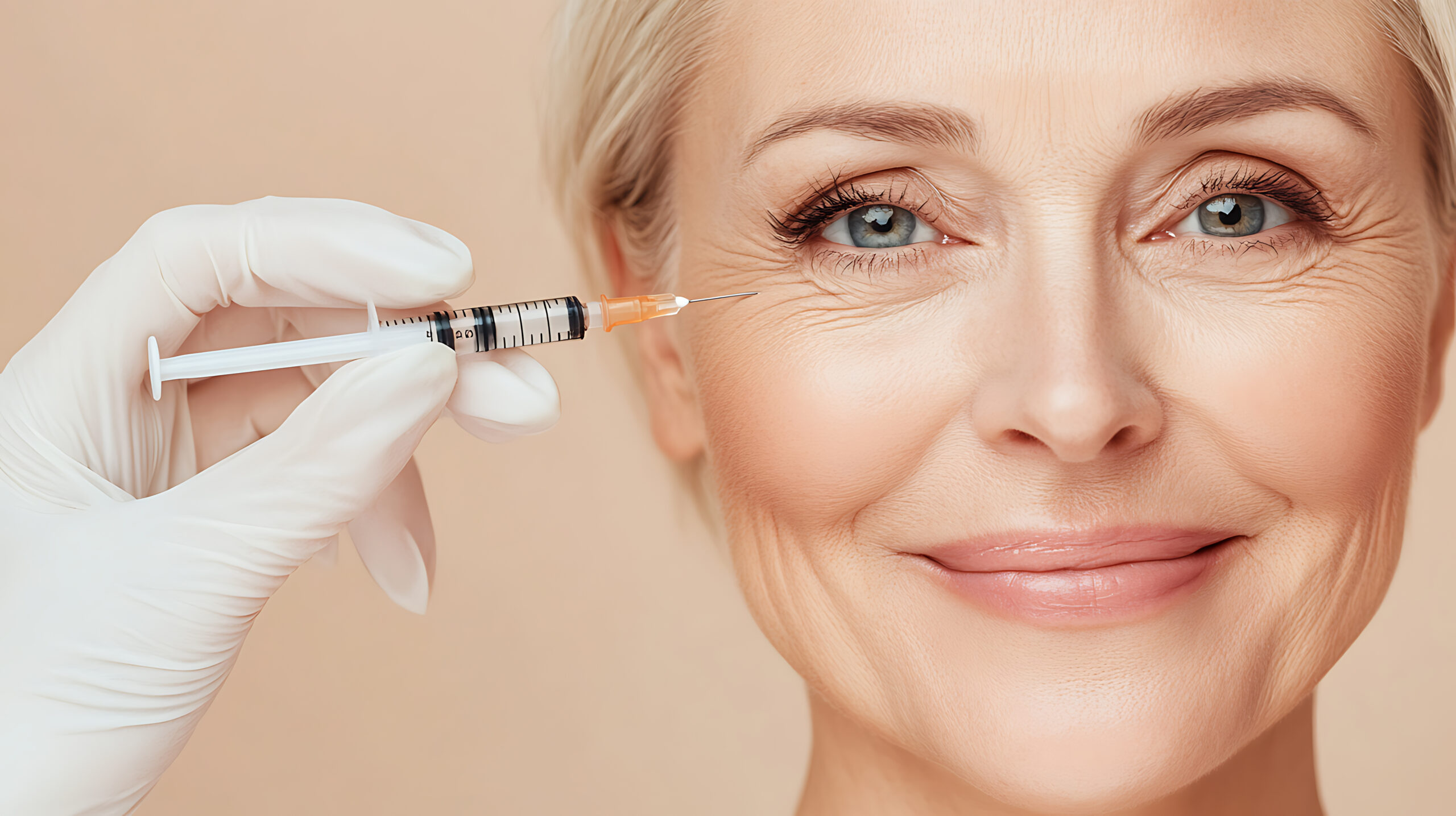
Botox is often seen as a quick fix for wrinkles, but its role in long-term skincare is far more layered than people assume, and understanding how it works over time helps you make informed decisions about aging with confidence while avoiding unrealistic expectations.
What Makes Botox a Long-Term Conversation?
Aging changes everyone differently, and Botox entered the skincare world as a tool that reshaped how many people think about wrinkle prevention. Many people used to believe it was only for deep lines, but the narrative has shifted toward early prevention. According to our editor’s research, the rise of preventive use has created a new understanding about how subtle muscle relaxation can influence long-term skin appearance. This shift matters because every decade of life brings new structural changes to the skin. The cumulative impact of sun, stress, and lifestyle makes results vary between people. Botox interacts with these factors in predictable ways, which helps explain why some users see prolonged benefits. You may notice that consistent users often describe a softer aging pattern. That pattern doesn’t appear instantly but follows repeated treatment cycles. This is why discussions about Botox increasingly sound like discussions about skincare routines rather than cosmetic procedures.
How Does Botox Actually Work Over Time?
Botox relaxes specific facial muscles to soften the appearance of lines. This process seems simple, yet its long-term effect goes beyond a short cosmetic change. When certain muscles contract less intensely, the skin above them folds less frequently. Reduced folding slows the deepening of expression lines. As a result, people who start in their thirties often age with fewer etched lines later. As a result of our editor’s reviews, many dermatology specialists emphasize that Botox does not stop aging but modifies its visible pace. Your collagen continues to decline naturally, and lifestyle factors still matter. However, skin that experiences fewer repetitive motions retains a smoother texture longer. Over months and years, this creates a cumulative advantage. It becomes especially noticeable on the forehead and around the eyes. These areas show motion-related aging earlier than others. Therefore Botox tends to provide the most long-term benefit there. Keeping these muscles relaxed also encourages more even application of skincare products, which indirectly supports better hydration patterns.
Why Do Results Improve for Some Users Over the Years?
One interesting trend is the gradual training effect that Botox induces in facial muscles. When muscles stay relaxed repeatedly, they adopt new patterns. This means the muscle learns to contract less aggressively even after the product wears off. According to our editor’s research, some regular users report needing lower doses over time. This happens because their muscles no longer generate the same strong expressions as before. This benefit varies from person to person. Lifestyle and genetics play major roles. But the trend appears consistently enough to be part of long-term planning. People who incorporate Botox into their multi-year skincare habits often experience less dramatic touch-ups later. These smaller adjustments reduce overall cost and downtime. They also create a more natural look. Many people today prefer a subtle aesthetic rather than a frozen appearance. This aligns with how practitioners now approach aging. Instead of erasing lines completely, the goal is supportive maintenance. This softer approach fits better into long-term skincare thinking.
Is Preventive Botox Really Effective?
Preventive Botox became popular because younger adults wanted to delay the formation of permanent lines. The idea is simple: if a wrinkle hasn’t deeply formed yet, relaxing the muscle prevents it from becoming etched. Dermatology clinics often describe this as maintaining the canvas before the marks appear. As a result of our editor’s reviews, preventive treatment is most effective for people who have strong expressions or early visible fine lines. It is not recommended for everyone. Some faces have minimal expression patterns and may not benefit early. People should also avoid doing preventive injections too aggressively. Overuse can lead to flat expressions, which defeats the purpose. The best approach is conservative dosing. This creates lighter muscle relaxation without limiting emotional expression. When done correctly, preventive use can delay wrinkle formation by several years. This doesn’t stop aging. It simply manages one aspect of how wrinkles form. Many users pair this approach with sunscreen and hydration for a balanced routine.
How Does Botox Interact With Natural Skin Aging?
Skin aging is complex and influenced by collagen loss, environmental factors, and facial structure. Botox does not affect collagen levels directly. Instead, it reduces motion-based aging. This distinction is important because many people expect Botox to solve all wrinkle-related concerns. It works best on dynamic lines, which emerge from repeated facial movements. Static lines, which appear even at rest, respond partially but require additional treatments such as fillers or resurfacing. As a result of our editor’s reviews, long-term Botox users tend to combine multiple treatments for balanced results. This integrated approach acknowledges the different layers of aging. Natural skin quality still matters deeply. Hydration, diet, stress, and sun exposure influence how skin ages with or without Botox. Some people notice that Botox highlights issues like dryness or uneven tone if they do not maintain their skincare routines. This is why dermatologists often advise pairing Botox with topical antioxidants and high-quality moisturizers.
What About the Safety of Long-Term Use?
Botox has been studied for several decades and carries a strong safety profile when used correctly. Long-term users generally tolerate it well. The most common concerns include temporary bruising or mild asymmetry. These effects resolve quickly. Serious complications are rare when injections are done by qualified professionals. According to our editor’s research, people who remained consistent for more than ten years did not show harmful structural changes to their skin. However, technique matters greatly. Incorrect placement can create unnatural expressions. Choosing an experienced practitioner ensures lower risk and more predictable results. Long-term use requires adjusting dosage as facial muscles change with age. The dose that worked in your thirties may not be appropriate in your fifties. This adaptability is part of safe planning. Many experienced practitioners take an individualized approach, analyzing facial movement patterns each session. This ensures balanced results that age well.
How Often Should Botox Be Part of a Routine?
Frequency depends on the individual. Most people return every three to four months. Some maintain results longer due to muscle memory. Others metabolize the product faster. Over time, the ideal schedule becomes clearer. As a result of our editor’s reviews, consistency is more important than early intensity. Starting with high doses does not improve long-term outcomes. Instead, regular light maintenance keeps expressions natural while preventing deeper lines. People with strong expressions may need shorter intervals at first. Later, intervals can extend as muscles adapt. Many users integrate Botox appointments with seasonal skincare routines. This keeps overall care structured and easier to maintain. It also encourages regular evaluation of sun damage and hydration levels.
Where Does Botox Fit Into Modern Skincare Routines?
Modern skincare routines include many steps: cleansing, hydration, sun protection, exfoliation, and targeted treatments. Botox functions as an external support rather than a replacement for good skincare. Its role is motion control, not surface improvement. People who rely only on Botox often miss the larger picture of skin health. According to our editor’s research, combining gentle skincare products with Botox creates more stable long-term results. Sunscreen remains the most powerful anti-aging tool. Even consistent Botox cannot counter the impact of unprotected sun exposure. Good hydration also enhances Botox results. Well-hydrated skin responds better to reduced muscle activity. This helps create a smoother and brighter appearance. Many dermatologists encourage users to think about Botox as one part of a multi-layered plan. When coordinated properly, it enhances outcomes without dominating the routine.
Can Botox Support Emotional Well-Being?
A growing body of research suggests that looking refreshed can influence emotional well-being. Many people report feeling more confident when lines soften. This effect varies by personality and expectations. Botox should not be expected to solve emotional concerns. Yet some users appreciate the sense of control it provides. As a result of our editor’s reviews, moderate use tends to produce the most positive emotional outcomes. Natural-looking results help people feel more aligned with how they perceive themselves. This psychological dimension adds to the long-term appeal of Botox. People often continue treatments because they enjoy feeling polished without dramatic changes. This connection between appearance and confidence is normal and widely observed. However, expectations should always stay realistic. Botox refines appearance rather than transforming it.